July 27, 2026
Storms have a profound impact on residential and commercial roofs, creating a myriad of challenges for homeowners. When severe weather strikes, property owners are often left dealing with unexpected damages that require immediate attention. Roofing companies play a crucial role in this process, not only providing repair services but also assisting in the navigation of complex insurance claims. Understanding the processes involved in storm damage repair and insurance claims helps homeowners manage the stress and financial burden involved. With professional help, the complexities of repairing storm damage and filing insurance claims become more manageable and straightforward.
Understanding Storm Damage Assessment
Identifying Common Types of Storm Damage
Storms come in varied forms, causing different types of damage to roofing structures. High winds can dislodge shingles, leaving the roof exposed to subsequent rain damage. Hailstorms, on the other hand, can puncture roofing materials, leading to leaks and water infiltration. Heavy rains can exacerbate these problems, causing leaks and weakening the structural integrity of the roof. Understanding these common types of storm damage is the first step for homeowners in recognizing the signs and seeking professional assessments.
Roofing companies have developed extensive experience in identifying different types of storm damage. They use systematic approaches to determine the extent and nature of the damage. Professionals are often trained to spot subtler signs of damage that might be missed by the untrained eye. Their expertise ensures that no stone is left unturned, preventing future complications from underlying damage. Early identification by skilled professionals is critical to preventing minor issues from escalating into costly repairs.
Damage assessments also take into account the overall age and pre-existing condition of the roof. Professionals understand that older roofs might be more susceptible to storm damage. When assessing damage, they weigh various factors including the roof's material, installation quality, and history of past repairs. Armed with this comprehensive knowledge, roofing experts provide homeowners with a detailed report on both visible and potential hidden damages, giving them a valuable tool for insurance claims. This thorough approach greatly assists in navigating the subsequent insurance claims process.
Initial Inspection and Documentation
The initial inspection is a critical step in managing storm-damaged roofs. Roofing professionals conduct detailed inspections to evaluate visible and structural damage. They meticulously document findings using photographs and written reports, creating an evidence trail that's instrumental in the insurance claims process. Comprehensive documentation serves as proof of damage and is crucial for convincing insurance adjusters of the severity of the situation. Given the significance of this process, it's essential that inspections are conducted promptly after a storm to ensure accuracy and relevancy.
Documentation is not limited to visible damage. Roof inspectors take into account potential future issues by identifying underlying weaknesses that may not yet be apparent. This insight is valuable for homeowners looking to avoid recurrent damage once temporary repairs are conducted. Furthermore, detailed documentation provides a historical record that can be beneficial in future claims or disputes. By laying this groundwork, roofing companies are better prepared to advocate for homeowners during interactions with insurance providers.
Creating a detailed record during the initial inspection helps roofing companies provide a comprehensive damage assessment to insurance companies. This documentation is indispensable given that, according to Verisk, roofing line items represent around 30 percent of all line items within U.S. property claims estimates. A thorough inspection report streamlines the process for insurance adjusters, increasing the likelihood of a successful claim. As such, it's not only a preventative measure but a foundational element in managing the challenges that arise from storm damage and the ensuing insurance claims process.
Safety Precautions During Assessment
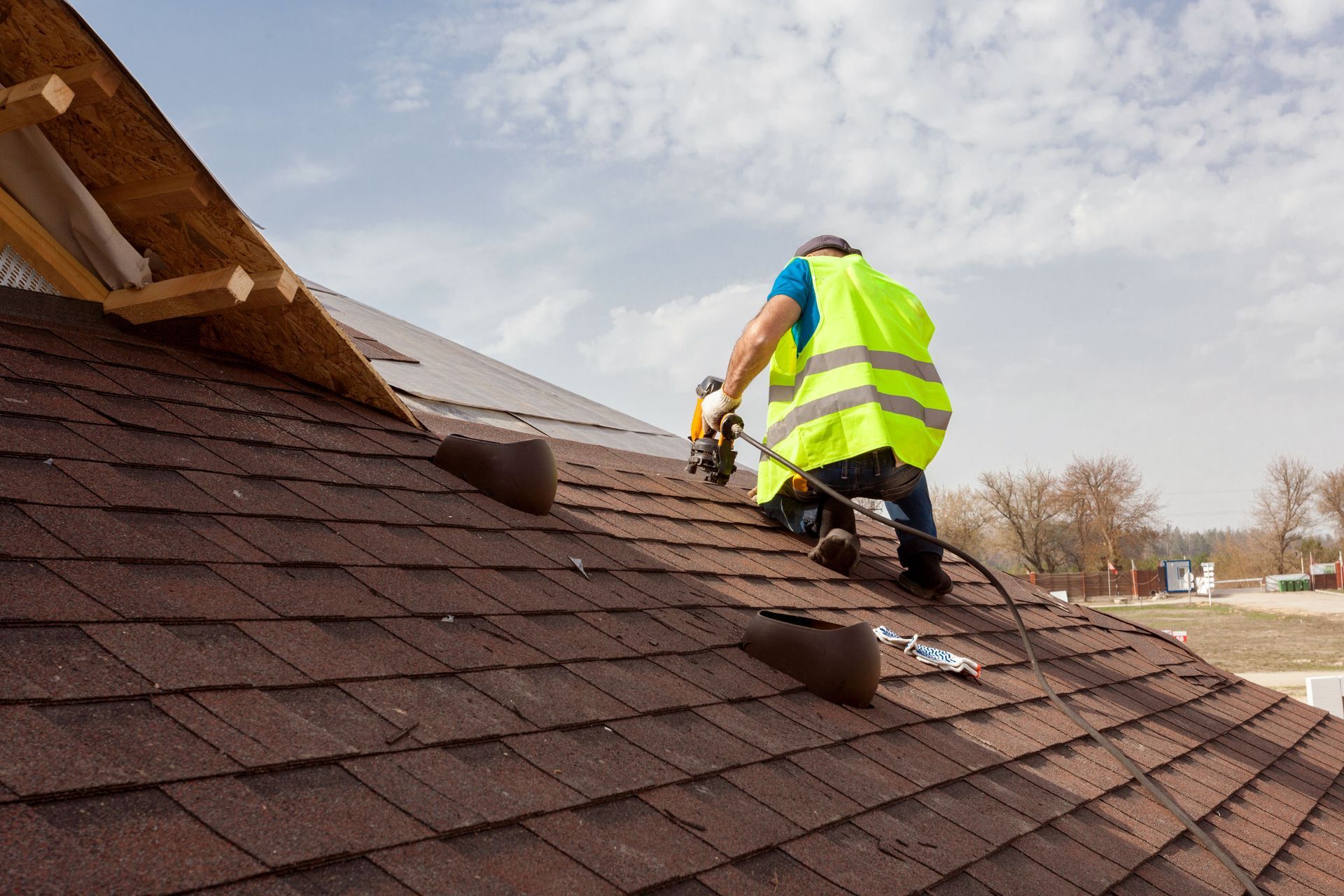
Safety is a priority during storm damage assessments, both for the homeowner and the professionals involved. Roofing inspectors follow stringent guidelines to ensure their personal safety as well as protect the homeowners from residual dangers. This includes wearing protective gear, ensuring secure footing, and using appropriate equipment to prevent falls or injuries. Adhering to safety protocols prevents accidents during roof assessments and sets a professional standard for the industry. By prioritizing safety, roofing companies demonstrate their dedication to responsible practices that protect all parties involved.
Homeowners are also educated on potential safety hazards following storm damage. They are advised to stay away from damaged areas and refrain from attempting DIY inspections, which could be dangerous. This communication fosters a proactive partnership between homeowners and roofing professionals. Guidance from experts ensures that the assessment process is conducted safely and efficiently without compromising the integrity of additional structures or risking personal harm. By managing potential hazards, roofing professionals effectively reinforce their commitment to customer care and safety.
In addition to safeguarding individuals, roofing contractors work diligently to protect the property during the assessment phase. Temporary measures, such as tarps, are often employed to shield exposed areas from further damage due to inclement weather. These interventions prevent additional water infiltration that could complicate the repair process. A swift and calculated response minimizes further loss and enhances the effectiveness of subsequent insurance claims. Thus, effective damage assessment balances safety, prevention, and thoroughness.
Using Technology for Efficient Inspection.
Technology-driven inspections enhance communication between all stakeholders involved. Homeowners are given access to clear, detailed reports that are easy to understand, promoting informed decision-making. The seamless flow of information between contractors and insurance firms facilitates a smooth claims process by reducing ambiguities and ensuring that all parties have access to the same comprehensive data. By using technology to streamline inspections, roofing professionals improve service efficiency and customer satisfaction, providing valuable support throughout the storm damage recovery journey.
Importance of Timely Assessments
Time is of the essence when it comes to assessing storm damage on roofs. Delaying inspections can exacerbate existing damage, leading to higher repair costs and more significant inconvenience for homeowners. Prompt assessments by roofing professionals ensure that damage is quickly identified and addressed, preventing further deterioration. This timely intervention is critical to ensuring that temporary repairs can secure the property and avoid further loss from additional weather events. An early, thorough evaluation lays the groundwork for a successful insurance claim and expedites the repair process.
Immediate assessments are vital for successfully navigating insurance claims as well. Insurers often require proof that the damage was storm-related and not due to neglect or pre-existing conditions. Prompt documentation strengthens a homeowner's claim by providing timely evidence that insurers find difficult to contest. In many cases, insurance policy terms stipulate a specific timeframe for filing claims, underscoring the necessity of swift action following storm events. Understanding these time-sensitive aspects highlights the critical role of timely inspections in quick and equitable claim resolution.
Furthermore, timely assessments can facilitate better planning and resource allocation for repair work. For contractors, effectively managing schedules and resources ensures the availability of skilled labor and materials. This proactive approach minimizes downtime and ensures that homeowners receive the attention and service they need. By promptly addressing storm damage, both roofing professionals and homeowners stand to benefit from reduced wait times and increased satisfaction. This prompt attention to storm-damaged roofs exemplifies the efficiency and professionalism expected from leading roofing service providers.
Persistent follow-up is another tool in maximizing claim success. Homeowners should maintain regular communication with their insurer and adjuster to track progress and address any emerging concerns promptly. Coordinated efforts between the homeowner, roofing company, and insurance provider can speed up the claims resolution process. Demonstrating persistence and a commitment to ensuring fair compensation not only expedites the process but also reinforces the homeowner's proactive stance. Through strategic planning and collaboration, maximizing claim approvals becomes a systematic and achievable goal. Call Redeemed Roofing & Exteriors today to learn more.